
When people search for a product or service online, businesses have different ways to become visible. Two of the most common digital marketing strategies are Search Engine Optimization (SEO) and Paid Advertising.
Both can help businesses reach potential customers, but they work in different ways. Understanding the difference can help you choose a strategy that matches your business goals, budget, and marketing timeline.
What is SEO?
Search Engine Optimization (SEO) is the process of improving a website so that its pages can appear more prominently in organic search results.
Organic search results are unpaid listings. Google determines which results appear based on factors such as relevance, usability, and other search-system signals. Businesses do not pay Google to place a website higher in organic search results.
SEO can include activities such as:
- Keyword research
- On-page SEO
- Technical SEO
- Content optimization
- Internal linking
- Website structure improvements
- Off-page SEO
- SEO performance analysis
A strong SEO strategy focuses on making a website useful and relevant to the people searching for the products or services it offers.
What is Paid Advertising?
Paid advertising allows businesses to pay for advertisements that can appear when people search for relevant products or services.
For example, Google Ads can display Search ads above or below organic search results. These advertisements are clearly identified with an “Ad” or similar label.
With paid advertising, businesses can set campaign budgets and choose targeting options such as keywords, locations, languages, and other campaign settings. Google Ads also provides performance data that can help advertisers evaluate clicks, conversions, search terms, locations, and other campaign metrics.
SEO vs. Paid Advertising: Key Differences
SEO
|
|
|
|
|
|
Paid Advertising
|
|
|
|
|
|
These differences do not mean that one strategy is always better than the other. The right approach depends on the business and its objectives.
When Should a Business Focus on SEO?
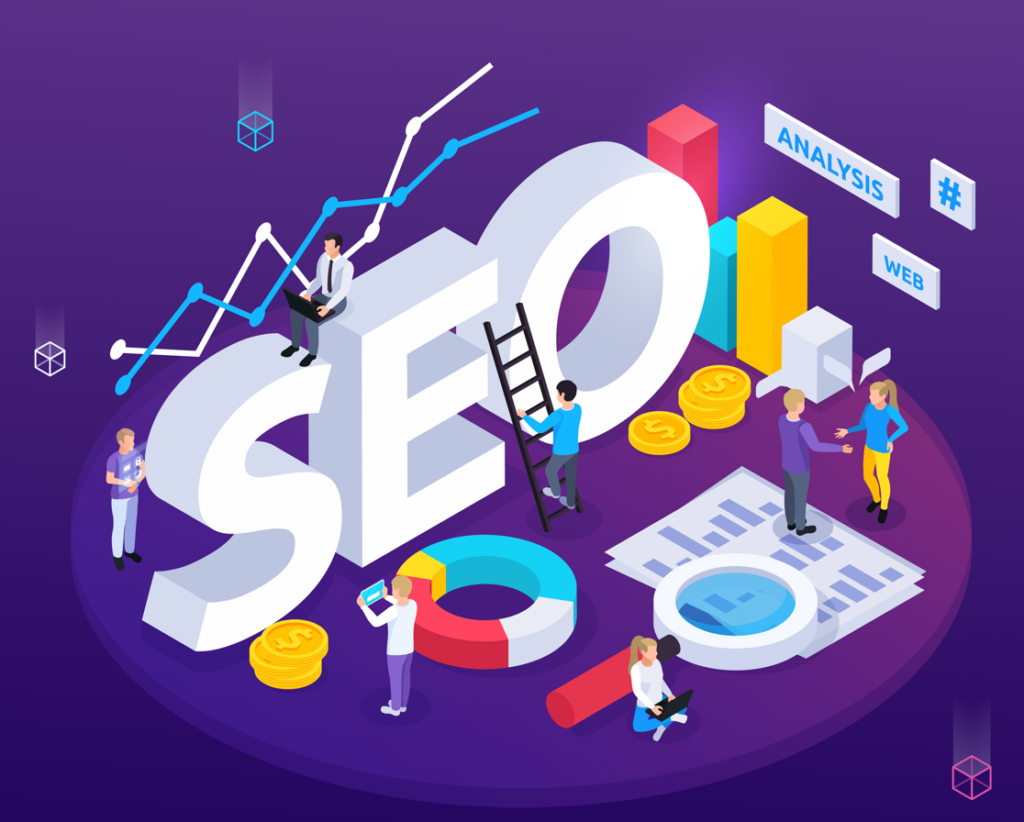
SEO can be useful for businesses that want to build their organic search presence over time.
For example, a local service business may create useful pages around the services it provides and optimize them for relevant searches. A business selling products online may also use SEO to improve product and category pages.
SEO can be particularly relevant when your goal is to:
- Build organic website visibility
- Attract people searching for your services
- Develop useful website content
- Improve the overall search experience
- Establish a long-term search strategy
However, SEO generally requires ongoing work. Improving content and website quality does not guarantee a specific ranking position because search results are determined by Google’s ranking systems.
When Should a Business Consider Paid Advertising?
Paid advertising can be useful when a business wants to promote specific products, services, offers, or campaigns and reach people based on defined targeting criteria.
For example, a local business launching a new service could use Google Ads to target relevant search terms and a specific service area.
Paid advertising can be useful for goals such as:
- Generating leads
- Promoting a new service
- Driving traffic to a landing page
- Supporting a time-sensitive offer
- Reaching specific geographic areas
- Testing demand for particular search terms
Google Ads provides tools for measuring campaign performance and refining targeting based on data.
conclusion
SEO and paid advertising are two important parts of modern digital marketing, but they should not be treated as identical strategies.
SEO focuses on organic search visibility, while paid advertising uses advertising campaigns to gain paid visibility. Google keeps paid advertisements separate from organic search results, and advertising payments do not improve a website’s organic ranking.
The right strategy depends on your business goals, audience, budget, competition, and timeline. In many cases, a balanced digital marketing strategy can use both organic and paid channels to reach potential customers.